The hospitality industry, encompassing hotels and restaurants, is a cornerstone of the service sector, dedicated to creating memorable and comfortable experiences for guests. Modern hotel management software and restaurant management software have revolutionized how these businesses operate, streamlining operations and enhancing guest satisfaction.
Hotels
Hotels provide accommodation and often additional services like food, entertainment, and wellness facilities. They cater to a wide range of travelers, including business professionals, tourists, and long-term residents. Today's hotel management application solutions integrate seamlessly with daily operations to deliver exceptional experiences. Key features include:
Room Categories: From budget-friendly to luxury suites, catering to diverse preferences.
Services: Housekeeping, concierge, and amenities such as spas and event spaces.
Technology Integration: Contactless check-ins and personalized experiences through advanced hotel software.
Sustainability: Eco-friendly practices and energy-saving systems.
Essential Hotel Software Features:
Room booking and reservation management
Automated check-in / check-out processes
Integrated billing & GST invoicing
Real-time room availability tracking
Guest relationship management
Restaurants
Restaurants focus on culinary experiences and fostering social interactions. They vary widely in cuisine, ambiance, and service styles. Modern restaurant software and restaurant billing software enable efficient operations, from order taking to payment processing, ensuring smooth service delivery. Key elements include:
Culinary Creativity: Menus reflecting local or international flavors.
Customer Service: Attentive staff enhancing the dining experience.
Trends: Emphasis on farm-to-table concepts and plant-based dishes.
Ambiance: Thoughtfully curated lighting, decor, and music.
Core Restaurant Management Software Capabilities:
Advanced POS billing system for quick transactions
Comprehensive menu & table management
Kitchen order tracking and coordination
Inventory management and stock alerts
Customer feedback and loyalty programs
Trends in Hospitality Management
The industry continues to evolve with modern trends, including:
Personalization: Tailoring services to individual preferences using data-driven insights.
Technology: AI-driven hotel management applications and restaurant management software for bookings, analytics, and feedback.
Health and Wellness: Organic food options and comprehensive wellness programs.
Cultural Experiences: Immersive local traditions and authentic cuisines.
Sustainability: Ethical sourcing and reduced waste through smart resource management.
Cloud-Based Solutions: Accessible hotel software and restaurant billing software that work across multiple devices and locations.
In summary, the hospitality industry thrives on creating a sense of care, comfort, and delight. By implementing comprehensive hotel management software and restaurant management software solutions, businesses can streamline operations, reduce costs, and ensure every guest leaves with lasting positive impressions.
Healthcare and Hospital Management
Healthcare and hospital management involve the effective planning, organization, and administration of healthcare systems to ensure quality patient care and operational efficiency. This field encompasses a wide range of responsibilities, from managing hospital staff and implementing advanced healthcare management systems to overseeing budgets and ensuring regulatory compliance.
Key Components of Healthcare Management
Healthcare management focuses on optimizing resources and processes within medical facilities to provide exceptional care. The key components include:
Administrative Leadership: Overseeing hospital operations, policies, and strategic planning initiatives.
Resource Allocation: Efficiently managing staff schedules, finances, medical equipment, and supplies.
Patient Care Coordination: Ensuring seamless communication between healthcare providers, patients, and support staff.
Regulatory Compliance: Adhering to healthcare laws, safety standards, and accreditation requirements.
Technology Integration: Implementing electronic health records (EHR), telemedicine solutions, and hospital management systems.
Hospital Management Trends
The healthcare industry is rapidly evolving with modern technologies and practices. Some key trends include:
Telemedicine: Providing remote consultations and care through secure digital platforms.
Data Analytics: Using big data and predictive analytics to improve patient outcomes and streamline operations.
AI and Automation: Enhancing diagnostics, patient monitoring, appointment scheduling, and administrative tasks.
Patient-Centered Care: Focusing on personalized treatment plans and improving patient satisfaction scores.
Sustainability: Implementing eco-friendly practices in hospital operations and waste management.
Interoperability: Integrating various healthcare systems for seamless data exchange and continuity of care.
Challenges in Healthcare Management
Despite significant advancements, healthcare management faces ongoing challenges such as:
Rising Costs: Managing operational expenses while maintaining quality care standards.
Workforce Shortages: Addressing the increasing demand for skilled medical professionals and support staff.
Data Security: Protecting sensitive patient information from cyber threats and data breaches.
Regulatory Changes: Keeping up with evolving healthcare policies, compliance requirements, and regulations.
Patient Expectations: Meeting growing demands for accessible, convenient, and high-quality care.
In summary, healthcare and hospital management play a vital role in ensuring efficient operations, excellent patient care, and successfully adapting to new challenges in the ever-changing healthcare landscape. Modern management solutions enable healthcare facilities to deliver better outcomes while optimizing resources and improving patient experiences.
Retail (POS) Software System
A retail Point of Sale (POS) software system is a comprehensive solution designed to manage sales transactions, inventory, and customer interactions in retail businesses. It serves as the central hub for processing purchases and streamlining daily operations, enhancing operational efficiency and customer satisfaction across all touchpoints.
Key Features of a Retail POS System
Modern retail POS systems come equipped with various advanced features to support the diverse needs of contemporary retailers. These include:
Sales Processing: Quick and accurate transaction handling, including cash, card, digital wallets, and contactless payments.
Inventory Management: Real-time tracking of stock levels, automatic reordering alerts, product categorization, and barcode scanning.
Mobile POS: Enabling sales on the go with portable devices like tablets and smartphones for line-busting and pop-up stores.
AI and Machine Learning: Enhancing inventory forecasts, personalized product recommendations, and dynamic pricing strategies.
Contactless Payments: Supporting digital wallets, NFC technology, and QR codes for faster, safer transactions.
Omnichannel Integration: Seamlessly bridging online and offline retail channels for unified inventory and customer experience.
Self-Service Kiosks: Empowering customers with self-checkout options and reducing wait times.
In summary, a retail POS software system is an essential tool for businesses looking to optimize operations, improve customer satisfaction, and stay competitive in today's dynamic marketplace. The right POS solution can transform retail operations and drive sustainable business growth.
E-Commerce Solutions
E-commerce, short for electronic commerce, refers to the buying and selling of goods and services over the internet. It has revolutionized the way businesses operate and consumers shop, offering unparalleled convenience and access to a vast array of products and services from anywhere in the world, at any time.
Key Features of E-Commerce Platforms
Modern e-commerce platforms are designed to facilitate seamless transactions between businesses and customers. Essential features include:
Product Catalog: Comprehensive listings with detailed descriptions, high-quality images, videos, and customer reviews.
Shopping Cart: Intuitive functionality allowing customers to select, review, and modify items before checkout.
Secure Payment Gateways: Integration with multiple payment methods including credit cards, digital wallets, UPI, bank transfers, and buy-now-pay-later options.
Order Management: Efficient tracking and management of customer orders from placement to delivery.
Customer Accounts: Personalized user profiles storing order history, wishlists, preferences, and saved addresses.
Mobile Responsiveness: Fully optimized shopping experience across smartphones, tablets, and desktop devices.
Search and Filters: Advanced search functionality with filters for price, category, brand, ratings, and specifications.
Inventory Synchronization: Real-time stock updates across all sales channels to prevent overselling.
Benefits of E-Commerce
E-commerce offers several compelling advantages for both businesses and consumers, including:
Convenience: 24/7 availability enabling customers to shop from anywhere at their preferred time.
Global Reach: Access to customers and markets across the world, breaking geographical barriers.
Cost Efficiency: Significantly lower operational costs compared to traditional brick-and-mortar stores.
Personalization: Tailored product recommendations and marketing based on browsing behavior and purchase history.
Analytics: Comprehensive insights into customer behavior, sales trends, and campaign performance.
Scalability: Easy expansion of product lines and market reach without physical infrastructure constraints.
Customer Reviews: Social proof and authentic feedback helping buyers make informed decisions.
Trends in E-Commerce
The e-commerce landscape continues to evolve with rapid advancements in technology. Emerging trends include:
Artificial Intelligence: AI-driven product recommendations, chatbots for customer support, and personalized shopping experiences.
Voice Commerce: Shopping through voice-activated devices like smart speakers and voice assistants.
Augmented Reality: Virtual try-ons for apparel, accessories, furniture, and home decor for confident purchasing decisions.
Subscription Models: Recurring purchases for convenience, customer retention, and predictable revenue streams.
Sustainability: Eco-friendly packaging, carbon-neutral shipping, and transparent supply chains.
Social Commerce: Direct purchasing through social media platforms like Instagram, Facebook, and TikTok.
In summary, e-commerce has fundamentally transformed the retail landscape, offering unparalleled convenience and opportunities for innovation. As it continues to grow and evolve, businesses must adapt to emerging technologies and changing customer expectations to remain competitive and deliver exceptional online shopping experiences.
Finance & FinTech Solutions
Finance and FinTech (Financial Technology) are integral to the modern economic ecosystem. While traditional finance encompasses the management, creation, and study of money and investments, FinTech leverages cutting-edge technology to innovate and enhance financial services, making them more accessible, efficient, secure, and user-friendly for businesses and individuals alike.
Key Aspects of Finance
Finance focuses on managing resources effectively to maximize wealth and ensure economic stability. Key aspects include:
Personal Finance: Budgeting, saving, investing, retirement planning, and setting achievable financial goals.
Corporate Finance: Managing a company's capital structure, funding strategies, investments, and financial risk.
Public Finance: Government budgeting, taxation policies, public expenditure, and fiscal management.
Investment Management: Analyzing and selecting diverse assets like stocks, bonds, mutual funds, and real estate for optimal returns.
Risk Management: Identifying, assessing, and mitigating financial risks to safeguard assets and resources.
Introduction to FinTech
FinTech combines finance and technology to revolutionize traditional financial services. It has disrupted conventional financial institutions by introducing innovative solutions such as:
Mobile Payments: Secure and convenient digital payment platforms and e-wallets for seamless transactions.
Cryptocurrency: Decentralized digital currencies like Bitcoin, Ethereum, and emerging altcoins.
Peer-to-Peer Lending: Online platforms connecting borrowers directly with investors, bypassing traditional banks.
Robo-Advisors: Automated investment management using sophisticated algorithms and AI.
Blockchain Technology: A secure, transparent, and immutable ledger for recording and verifying transactions.
Digital Banking: Neo-banks and digital-only banking services offering streamlined financial management.
InsurTech: Technology-driven innovations in insurance underwriting, claims processing, and policy management.
Accessibility: Financial services for underserved and unbanked populations worldwide.
Efficiency: Faster transaction processing and more cost-effective financial operations.
Transparency: Enhanced clarity and reduced fraud through blockchain technology and digital audit trails.
Customization: Tailored financial solutions and personalized recommendations based on user data and behavior.
Innovation: Continuous advancements in user-friendly financial tools and services.
Lower Costs: Reduced fees and overhead expenses compared to traditional financial institutions.
Real-Time Processing: Instant transactions and immediate financial insights.
Trends in Finance & FinTech
Finance and FinTech are rapidly evolving to meet changing consumer demands and market dynamics. Emerging trends include:
Artificial Intelligence: AI-powered tools for fraud detection, credit scoring, risk assessment, and personalized financial advice.
Open Banking: Sharing financial data securely through APIs to enable innovative third-party services and applications.
Decentralized Finance (DeFi): Financial services built on public blockchains without traditional intermediaries.
Sustainable Finance: Investments focusing on environmental, social, and governance (ESG) criteria and green financing.
RegTech: Technology-driven solutions to streamline regulatory compliance and reporting.
Embedded Finance: Integration of financial services into non-financial platforms and applications.
Biometric Security: Advanced authentication using fingerprints, facial recognition, and voice verification.
In conclusion, the synergy between finance and FinTech is fundamentally reshaping the global economy. By combining traditional financial principles with cutting-edge technology, businesses and individuals can achieve unprecedented levels of convenience, efficiency, security, and innovation in managing their financial lives.
Jewellery Industry Solutions
The jewellery industry is one of the oldest and most prestigious sectors globally, symbolizing wealth, art, culture, and personal expression. It involves the design, manufacture, and sale of jewelry made from precious metals, gemstones, and other materials. From traditional craftsmanship to modern innovations and digital transformations, the industry has evolved significantly to meet changing consumer preferences and market demands.
Key Aspects of the Jewellery Industry
The jewellery sector encompasses various interconnected components, including:
Jewellery Design: Crafting unique and artistic pieces that reflect cultural heritage, trends, and individual tastes.
Material Sourcing: Procuring high-quality precious metals like gold, silver, platinum, and palladium, as well as gemstones such as diamonds, rubies, emeralds, and sapphires.
Manufacturing: Utilizing traditional artisan techniques alongside modern technology like CAD/CAM and 3D printing to create exquisite jewelry.
Retail: Selling products through brick-and-mortar showrooms, online platforms, exhibitions, and multi-channel marketplaces.
Customization: Offering bespoke services to create personalized designs tailored to individual client preferences and occasions.
Certification: Providing authenticity certificates and quality assurance for precious metals and gemstones.
Inventory Management: Tracking valuable inventory with precision using specialized software solutions.
Trends in the Jewellery Industry
The jewellery industry has witnessed several transformative trends that are shaping its future:
Sustainable Practices: Ethical sourcing of materials, eco-friendly manufacturing processes, and responsible mining practices.
Lab-Grown Gemstones: Increasing demand for synthetic diamonds and gemstones as sustainable, conflict-free alternatives to mined stones.
Technology Integration: Use of 3D printing, CAD software, and augmented reality for precise, innovative designs and virtual try-ons.
Online Marketplaces: Rapid growth of e-commerce platforms enabling global reach, convenience, and transparent pricing.
Wearable Technology: Smart jewelry integrated with features such as fitness tracking, notifications, and contactless payments.
Minimalist Designs: Growing preference for simple, elegant pieces that offer versatility and everyday wearability.
Blockchain Authentication: Using blockchain technology to verify authenticity and track the provenance of precious items.
Personalization: Custom engraving, birthstone jewelry, and made-to-order pieces gaining popularity.
Significance of the Jewellery Industry
Jewelry holds profound cultural, emotional, and economic value across societies. It plays a pivotal role in celebrations, weddings, traditions, religious ceremonies, and personal expression. Economically, it contributes significantly to global trade, employment generation, artisan livelihoods, and drives innovation in design and manufacturing technologies.
In conclusion, the jewellery industry continues to shine as a beacon of creativity, tradition, and innovation. By embracing sustainability, technology, and changing consumer preferences, it is poised for a future that harmoniously balances rich heritage with modern advancements and digital transformation.
Manufacturing Industry Solutions
The manufacturing industry is a cornerstone of the global economy, encompassing the production of goods using labor, machinery, tools, automation, and chemical or biological processes. It transforms raw materials into finished products that are essential for daily life, industrial use, and economic development. This diverse industry spans sectors like automotive, electronics, textiles, pharmaceuticals, consumer goods, and much more.
Key Aspects of the Manufacturing Industry
The manufacturing sector involves several critical components that ensure efficient production, including:
Production Planning: Strategizing resources, timelines, and processes to ensure efficient and cost-effective manufacturing.
Supply Chain Management: Coordinating the seamless flow of raw materials, components, and finished goods across the value chain.
Quality Control: Maintaining strict standards and implementing rigorous testing to ensure product reliability, safety, and consistency.
Automation: Leveraging robotics, AI, and advanced machinery to streamline operations, increase precision, and reduce costs.
Customization: Adapting production processes to meet specific consumer demands, market trends, and individual requirements.
Lean Manufacturing: Implementing methodologies to minimize waste and maximize efficiency throughout production.
Compliance: Ensuring adherence to industry regulations, safety standards, and environmental requirements.
Trends in the Manufacturing Industry
The manufacturing industry is continuously evolving with advancements in technology and innovative processes. Key trends include:
Smart Manufacturing: Integrating IoT, AI, machine learning, and data analytics to optimize production efficiency and predictive maintenance.
3D Printing: Revolutionizing prototyping, small-batch production, and custom manufacturing with additive manufacturing technologies.
Globalization: Expanding markets and fostering cross-border collaboration in production and supply chain networks.
Reshoring: Bringing manufacturing operations back to domestic locations to reduce dependency on foreign suppliers and improve supply chain resilience.
Digital Twins: Creating virtual replicas of physical assets for simulation, optimization, and predictive analysis.
Industry 4.0: Fourth industrial revolution integrating cyber-physical systems, cloud computing, and intelligent automation.
Advanced Materials: Developing and utilizing innovative materials with enhanced properties for specialized applications.
Importance of the Manufacturing Industry
The manufacturing sector drives economic growth by creating employment opportunities, fostering innovation, contributing to exports, and supporting GDP growth. It plays a pivotal role in infrastructure development, supply of essential goods, technological advancement, and the progress of other industries such as healthcare, transportation, construction, and technology.
In conclusion, the manufacturing industry is a dynamic and essential sector that continues to evolve with technological innovations, automation, and sustainable practices. Its adaptability and continuous improvement ensure its relevance and significant contribution to a thriving global economy and improved quality of life.
Logistics Industry Solutions
The logistics industry is the backbone of global trade and commerce, enabling the efficient movement of goods, services, and information across complex supply chains. It involves a wide range of activities such as transportation, warehousing, inventory management, order fulfillment, and distribution. The industry plays a critical role in connecting manufacturers, suppliers, retailers, and consumers worldwide, ensuring products reach their destinations efficiently and cost-effectively.
Key Components of the Logistics Industry
The logistics sector encompasses several vital components that work together seamlessly, including:
Transportation: The movement of goods via multiple modes including road, rail, air, sea, and multimodal transport solutions.
Warehousing: Storage facilities and distribution centers for raw materials, components, and finished products with inventory management systems.
Inventory Management: Monitoring and controlling stock levels to meet demand efficiently while minimizing carrying costs.
Order Fulfillment: Ensuring timely and accurate delivery of products to customers through efficient processing systems.
Supply Chain Optimization: Streamlining end-to-end processes to reduce costs, improve efficiency, and enhance customer satisfaction.
Last-Mile Delivery: Final stage of delivery directly to the end customer, crucial for customer experience.
Reverse Logistics: Managing returns, repairs, and recycling of products in the supply chain.
Trends in the Logistics Industry
The logistics industry is evolving rapidly due to advancements in technology and changing consumer expectations. Key trends include:
Automation: Implementation of robotics, autonomous vehicles, drones, and automated sorting systems to streamline operations.
Digitization: Adoption of advanced software solutions, IoT sensors, and cloud platforms for real-time tracking, analytics, and visibility.
Green Logistics: Focus on sustainable practices such as reducing emissions, utilizing renewable energy, and optimizing routes.
E-commerce Growth: Increased demand for last-mile delivery services driven by booming online shopping and customer expectations.
Blockchain Technology: Enhancing transparency, security, and traceability in supply chain transactions and documentation.
AI and Predictive Analytics: Using artificial intelligence for demand forecasting, route optimization, and inventory management.
Same-Day and On-Demand Delivery: Meeting consumer demands for faster delivery options and flexible scheduling.
Importance of the Logistics Industry
The logistics sector is crucial for economic growth, international trade, and business competitiveness. It ensures the seamless flow of goods and services, minimizes supply chain disruptions, reduces operational costs, and enhances customer satisfaction. By adopting innovative practices and cutting-edge technologies, the industry continues to drive efficiency, support sustainable development, and adapt to rapidly changing market conditions.
In conclusion, the logistics industry is a dynamic and essential component of the global economy. Its continuous integration of cutting-edge solutions, automation, and sustainable practices ensures its continued relevance and success in an increasingly interconnected and rapidly changing world.
Websites and Mobile Applications
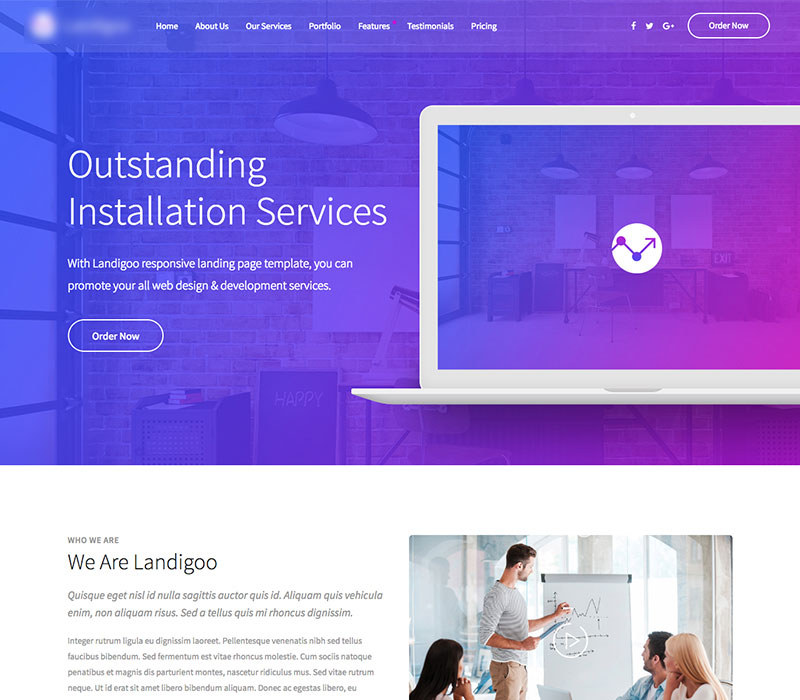
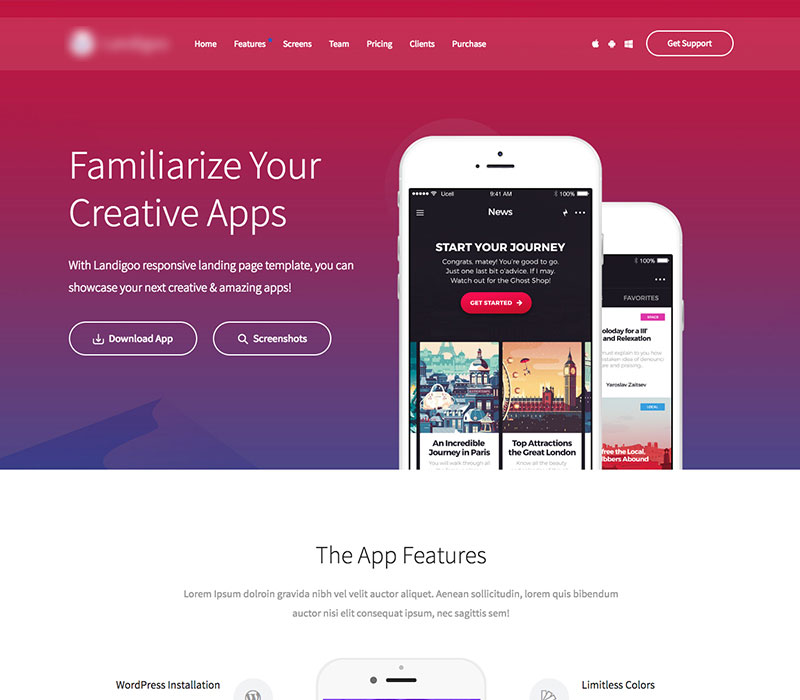
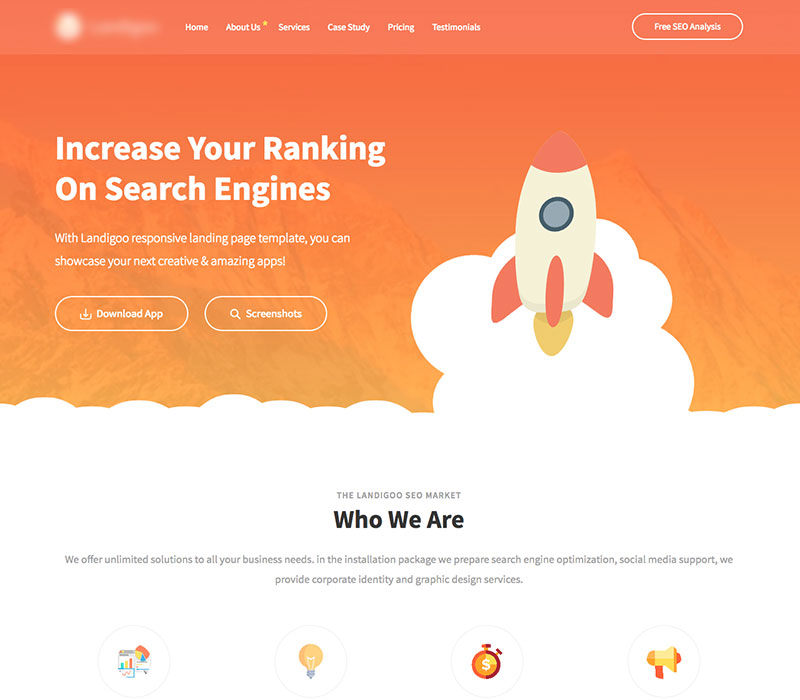
Websites and mobile applications have become integral to the digital age, serving as powerful tools for communication, business, education, and entertainment. They enable businesses to connect with their audience, provide services, and deliver content seamlessly across devices and platforms.
Key Features of Websites and Mobile Applications
Websites and mobile apps share several important features that make them indispensable:
User-Friendly Design: Intuitive interfaces that enhance user experience and accessibility.
Responsive Layouts: Adaptable designs that function seamlessly on desktops, tablets, and smartphones.
Speed and Performance: Optimized performance to ensure fast loading times and smooth operation.
Security: Robust measures to protect user data and prevent cyber threats.
Integration: Compatibility with third-party services like payment gateways, social media, and APIs.
Trends in Website and Mobile Application Development
The development of websites and mobile applications is driven by evolving technologies and user expectations. Key trends include:
Progressive Web Apps (PWAs): Combining the best features of websites and mobile apps for enhanced usability.
Artificial Intelligence: AI-driven features such as chatbots, personalized recommendations, and predictive analytics.
Cloud Integration: Leveraging cloud technology for scalability and data storage.
Voice Search Optimization: Adapting for voice assistants like Alexa and Google Assistant.
Augmented Reality (AR): Enriching user experiences in retail, gaming, and education through AR features.
Importance of Websites and Mobile Applications
Websites and mobile apps play a vital role in digital transformation, empowering businesses to reach global audiences and improve customer engagement. They drive e-commerce, streamline operations, and provide platforms for innovation and creativity. By embracing the latest technologies and trends, organizations can maintain competitiveness and deliver exceptional user experiences.
In conclusion, websites and mobile applications are essential in today’s interconnected world. Their continuous evolution ensures that they remain valuable tools for individuals and businesses alike.